
Little Known Secrets About Torrey Pines South Course
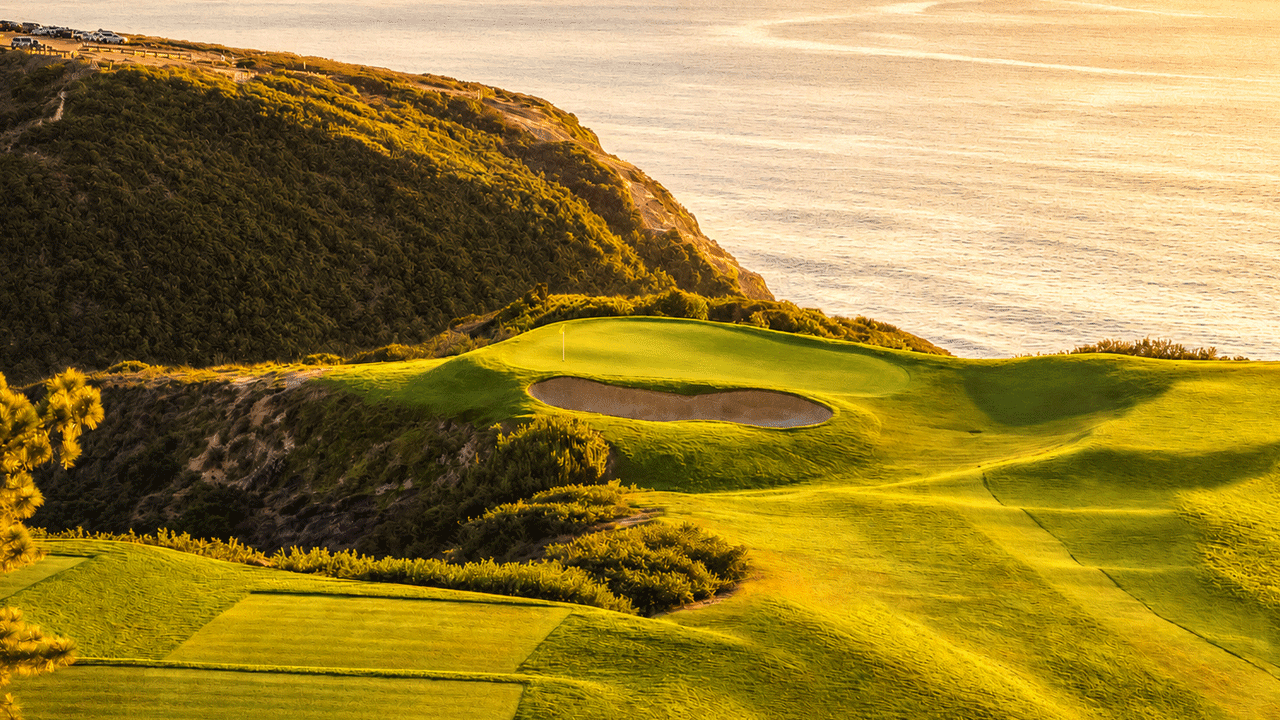
When golfers think of Torrey Pines South Course, they usually think of Tiger Woods, dramatic ocean views, or the U.S. Open.
But the course’s greatest story isn’t found on the scorecard.
It’s growing all around you.
Every golfer who tees it up at Torrey Pines walks among one of the rarest tree species on Earth, yet most never realize it.
The course is named after the Torrey pine (Pinus torreyana), a remarkable tree that naturally exists in only two places in the entire world. One population grows along the windswept coastal bluffs surrounding Torrey Pines in San Diego, while the other survives more than 170 miles offshore on Santa Rosa Island in California’s Channel Islands.
That’s it.
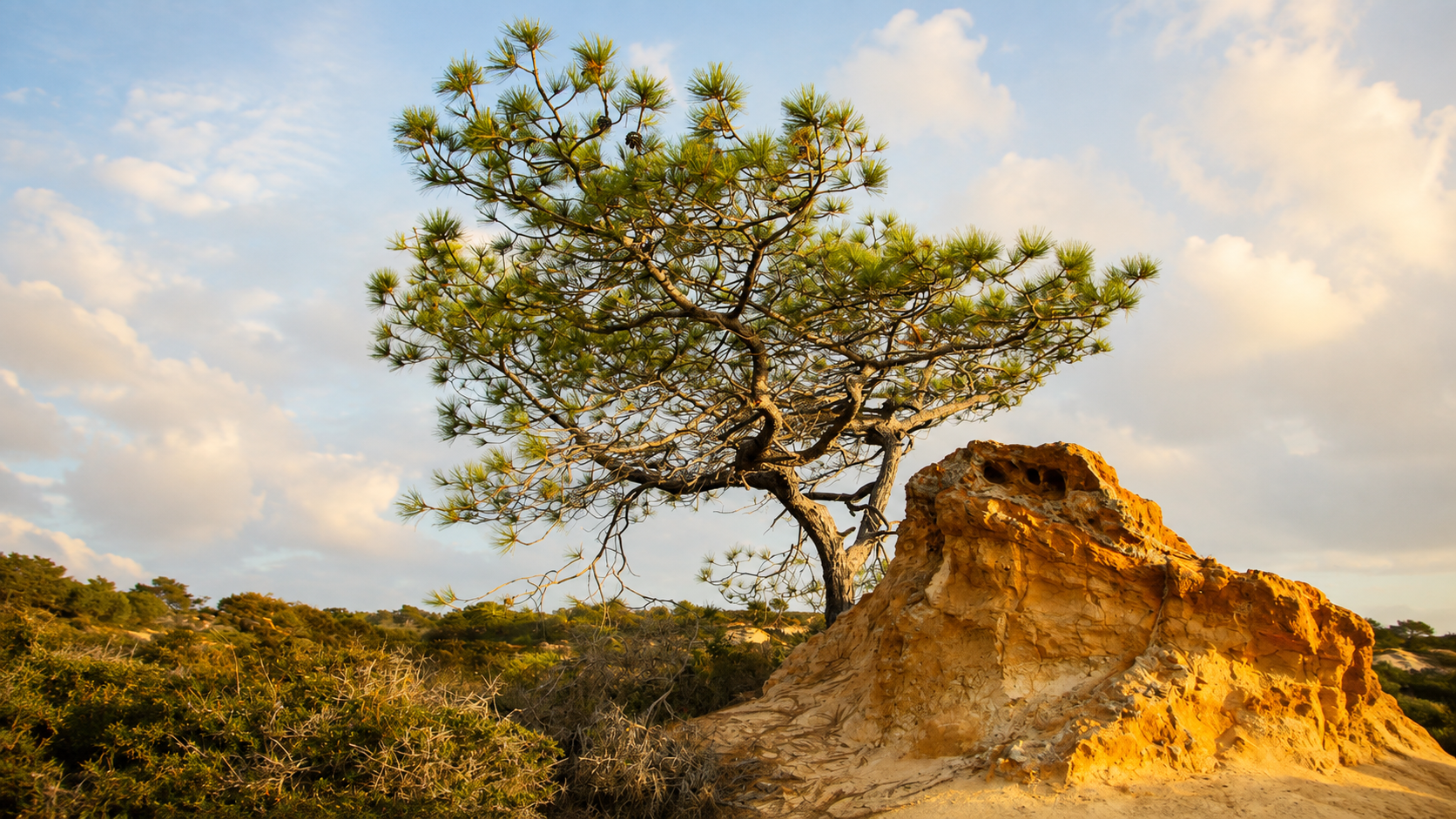
Unlike the towering pines of Augusta National or the famous cypress trees at Pebble Beach, the Torrey pine is found almost nowhere else on Earth. In fact, conservationists have spent decades protecting this rare species, making the land surrounding Torrey Pines one of California’s most important natural preserves.
In many ways, the golf course exists because of the landscape—not the other way around.
A Course Built on History
Long before Torrey Pines became one of America’s most celebrated municipal golf courses, the property served a very different purpose.
During World War II, the land was home to Camp Callan, a U.S. Army artillery training base where thousands of soldiers prepared for combat. Massive coastal guns overlooked the Pacific, barracks covered the bluffs, and military vehicles occupied land that would one day become championship fairways.
After the war, Camp Callan was decommissioned, and much of the military installation was dismantled. When construction began on Torrey Pines Golf Course in the 1950s, remnants of the former base were incorporated into the shaping of the property, giving new life to land that had once served an entirely different mission.
Today, golfers unknowingly walk across a landscape rich in both military and golfing history.
The Course You See Today Isn’t the Original
Many golfers assume the South Course was designed by Rees Jones.
While Jones deserves tremendous credit for transforming the layout into a U.S. Open venue, the original course was designed by William F. Bell and opened in 1957.
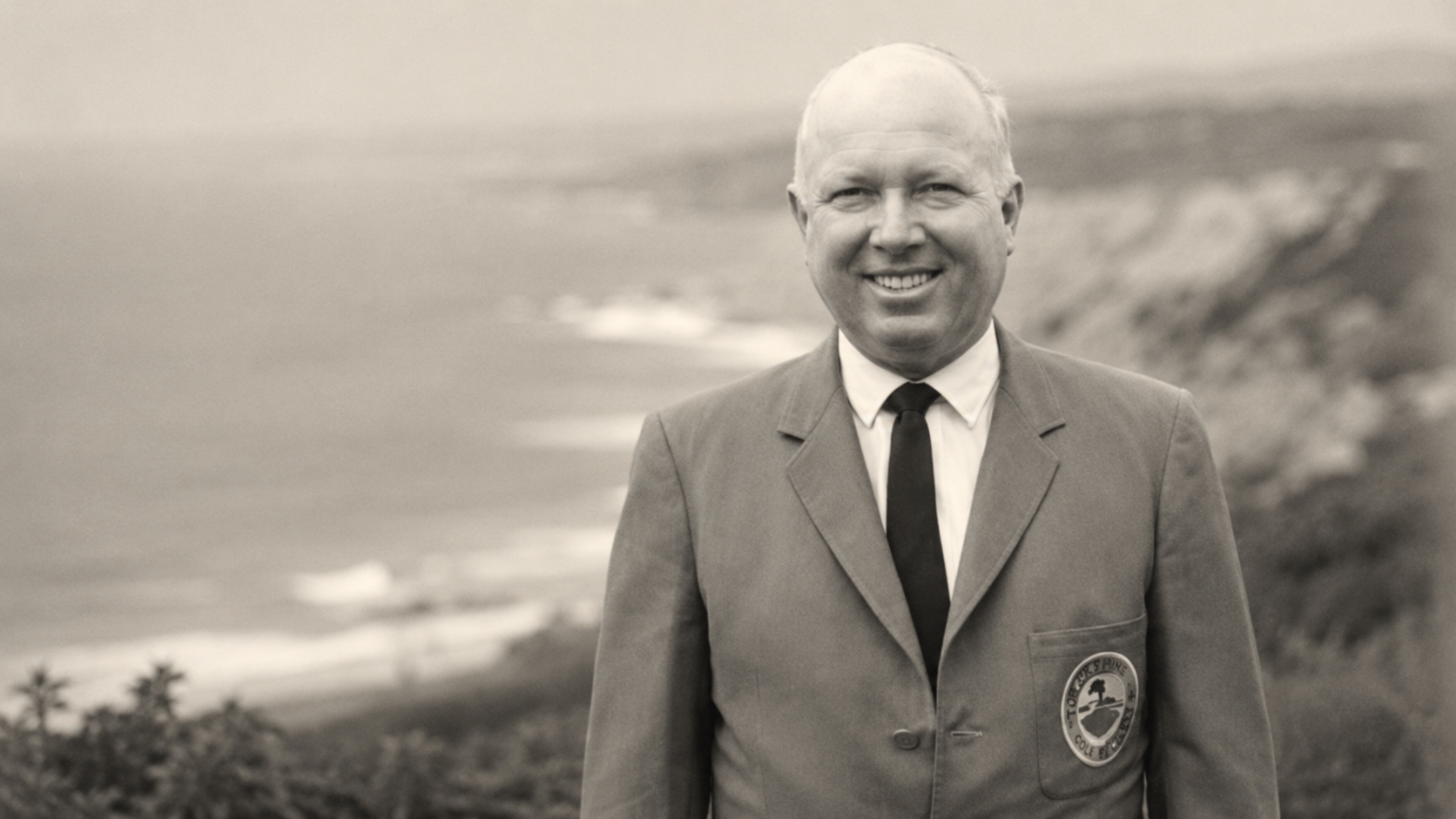
Ahead of the 2008 U.S. Open, Jones lengthened the course, rebuilt bunkers, reshaped greens, and strengthened the championship challenge while preserving the spectacular setting that made Torrey Pines famous.
The result is one of the few municipal golf courses capable of testing the world’s best players while remaining accessible to everyday golfers.
More Than Just Ocean Views
The next time you stand on a tee overlooking the Pacific, take a moment to look beyond the fairway.
Notice the twisted branches of the Torrey pines, shaped by decades of coastal wind. Think about the soldiers who once trained on these bluffs. Remember that beneath your feet lies a place where natural history, military history, and championship golf all intersect.
It’s a reminder that Torrey Pines South is more than a bucket-list golf course.
It’s one of the most unique pieces of golfing real estate anywhere in the world.
At CaddyTips®, we believe every great golf course has a story worth knowing—and understanding the history behind the course often makes playing it even more memorable.
Whether you’re making the pilgrimage to Torrey Pines for the first time or returning for another unforgettable round, you’ll never look at those iconic trees the same way again.
Look Up... It's Part of the Torrey Pines Experience
One of the first things you'll notice at Torrey Pines South isn't on the golf course at all—it's overhead. The Torrey Pines Gliderport, perched on the cliffs just north of the course, is one of the most famous free-flight sites in the country and has been a hub for soaring aviation for nearly a century. Thanks to the steady ocean winds rolling up the bluffs, pilots from around the world come here to fly hang gliders and paragliders above the Pacific.
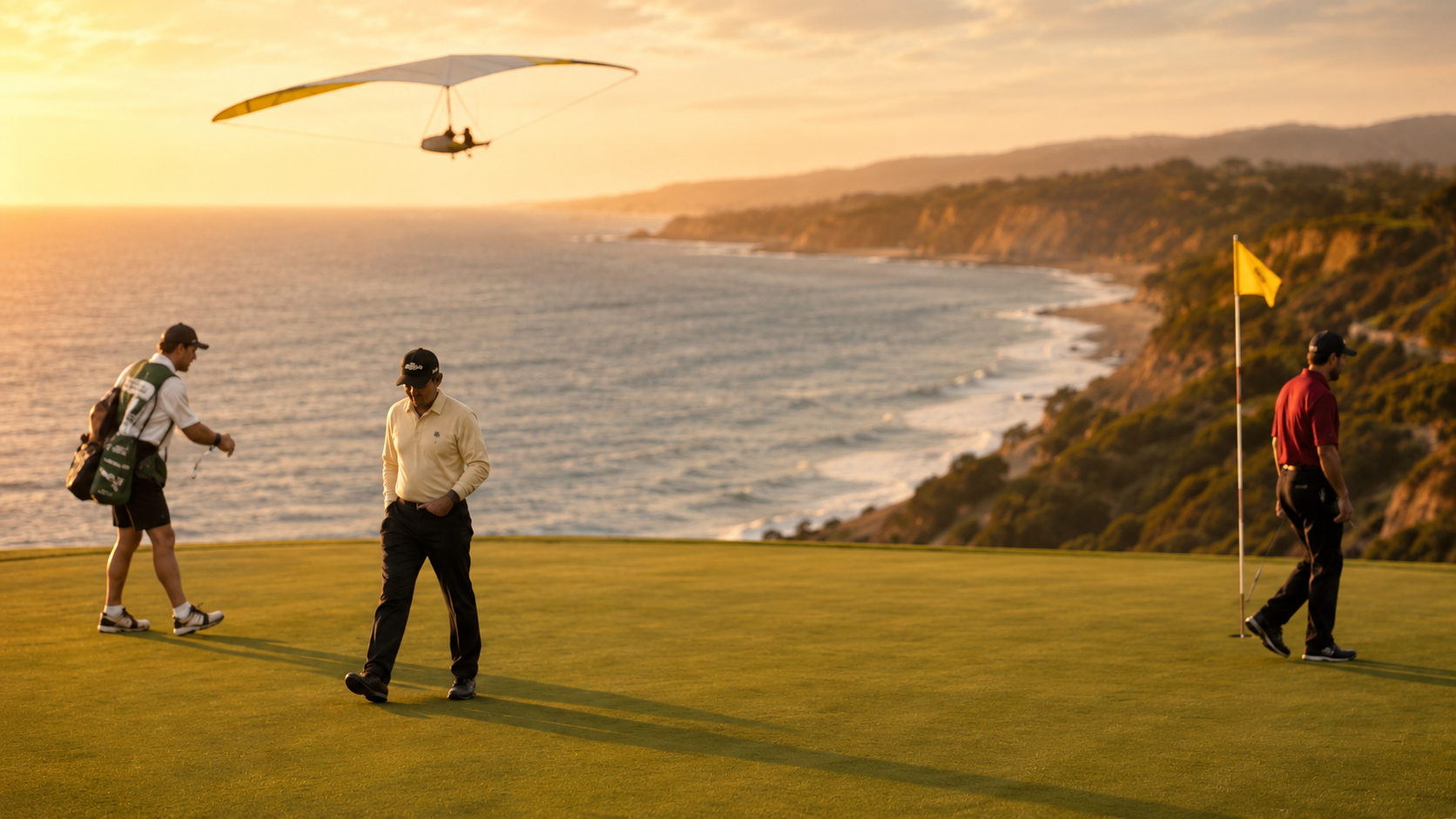
While colorful paragliders are a common sight, true hang gliders—the rigid-wing aircraft most people picture when they think of the sport—are becoming increasingly rare. Seeing one gracefully soaring over the 12th and 13th holes is a treat, even for longtime locals. Many golfers find themselves pausing for a moment between shots to watch the silent aircraft ride the ocean lift just yards from the cliffs. It's one of those uniquely Torrey Pines moments that reminds you there's no other golf course quite like it.
The Playbook For Torrey Pines South
CaddyTips® teamed up with local caddy legend Bryan Saltus to capture the valuable course knowledge and insider insights needed to play Torrey Pines South with confidence. Designed for golfers of every skill level—from low to high handicaps—this detailed Playing Guide provides the hole-by-hole strategy, local secrets, and course management techniques to help you make smarter decisions and shoot your best scores at Torrey Pines South Course.