
The Lie Never Lies: Why Every Great Caddy Starts with the Lie

Notice when a caddy walks up to his players ball, the very first thing he does, every single time, is closely inspect the lie.
Before discussing yardage, wind, club selection, or where to aim, every good caddy takes a close look at how the golf ball is sitting on the ground. Why? Because the lie tells the story of the shot that's available.
A lie can completely change your game plan.
The exact same shot from 150 yards can require two entirely different clubs, trajectories, and targets simply because the ball is sitting differently.
The Lie Determines the Shot
Every lie asks a question.
Can the clubhead reach the back of the ball cleanly?
Will the grass grab the club?
Is the ball sitting up or buried?
Will the slope change the launch angle?
The answers determine everything that comes next.
That's why caddies inspect the lie before saying a word.
Buried in the Rough
One of the first things a caddy looks for is how much of the ball is actually visible.
If the ball is sitting down in thick rough, the grass wraps around the clubhead before impact, reducing speed and making solid contact much more difficult.
Instead of trying to pull off the perfect shot, an experienced caddy may recommend taking more club, aiming for the fat side of the green, and accepting that simply advancing the ball safely is a win.
Sometimes the smart play isn't attacking the pin.
It's surviving the lie.
Grain Matters
Not all rough is created equal.
If the grass is growing down grain—leaning in the direction of the shot—the club can slide through much more easily.
If it's into the grain, the grass grabs the clubhead, reducing speed and making the shot come out lower with less control.
Two balls sitting only inches apart can play completely differently depending on the direction of the grain.
That's the kind of detail good caddies never miss.
Uphill and Downhill Lies
The slope beneath your feet also changes the shot.
An uphill lie adds loft, sending the ball higher and typically shorter than normal.
A downhill lie reduces loft, launching the ball lower with less stopping power.
Many golfers blame themselves for poor contact when the slope—not the swing—was actually the biggest factor.
The best caddies adjust before the swing ever begins.
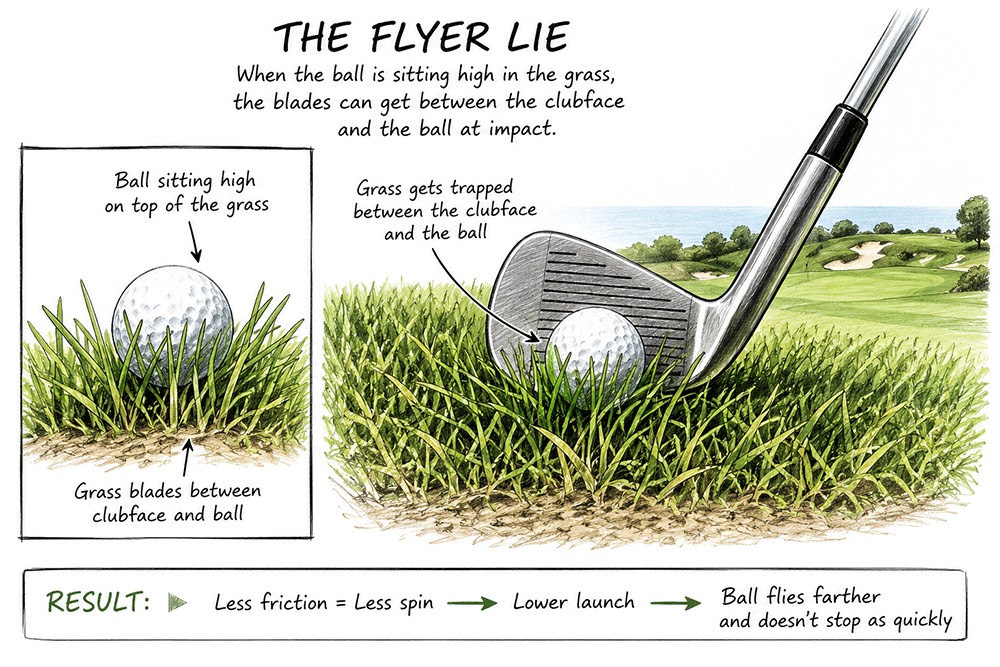
The Flyer Lie
One of the most misunderstood lies in golf is the flyer.
When the ball sits high in light rough, grass can become trapped between the clubface and the golf ball at impact.
That grass reduces friction.
Less friction means less backspin.
Less backspin means the ball launches with a flatter flight and often flies much farther than expected before struggling to stop on the green.
That's why tour players—and their caddies—become extremely cautious whenever they recognize a flyer lie.
 Playing from a Divot
Nobody likes finding their golf ball sitting in someone else's divot.
The biggest mistake golfers make is trying to help the ball into the air.
A divot demands exactly the opposite.
The clubhead must strike sharply down through the ball before contacting the turf. Compressing the golf ball first creates the backspin needed to produce a solid shot. Trying to scoop it almost always leads to a thin or heavy strike.
The lie isn't asking for a prettier swing.
It's asking for a more committed one.
Think Like a Caddy
Every golf shot begins with the lie.
Long before choosing a club or discussing yardage, experienced caddies are asking one simple question:
"What kind of shot will this lie allow us to hit?"
The answer shapes everything that follows.
The next time you walk up to your golf ball, resist the urge to grab a club immediately.
Take five seconds to study the lie.
Look at the grass.
Notice the slope.
See whether the ball is sitting up, buried, or perched perfectly.
Because once you start thinking like a caddy, you'll realize the lie often determines the shot long before you ever take the club back.