
Why Every Golfer Should Read Harvey Penick's Little Red Book
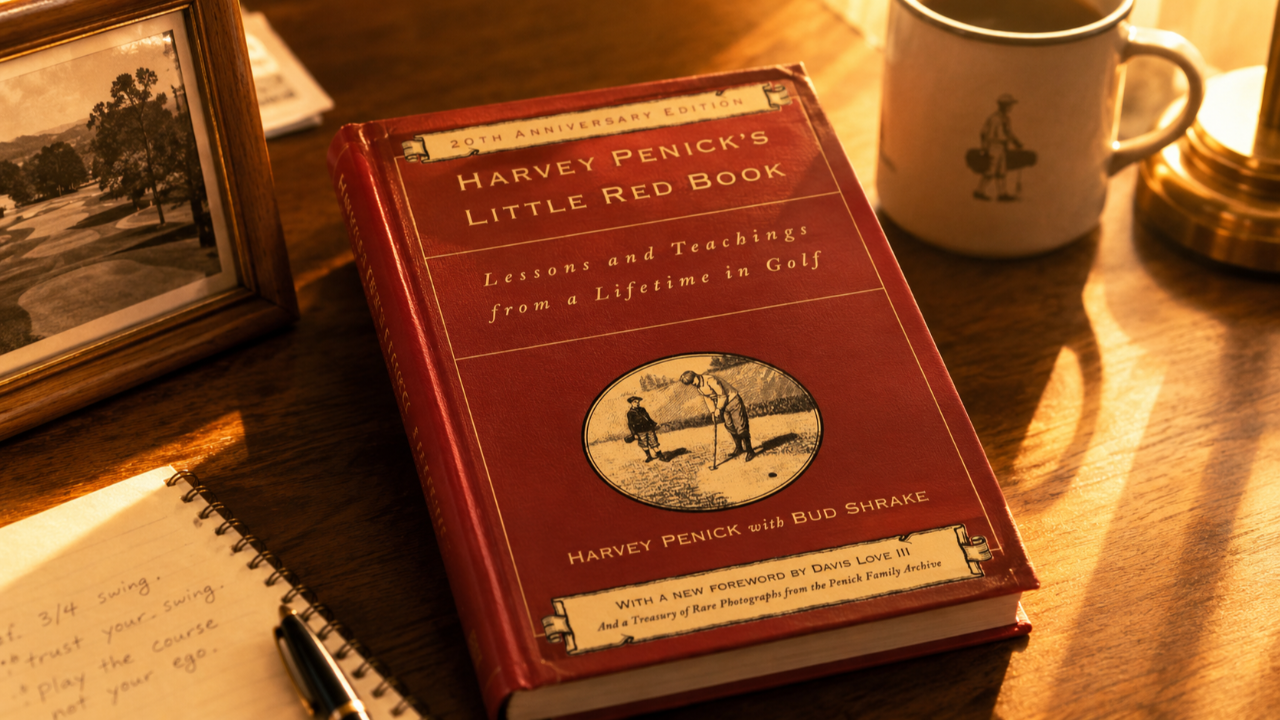
The greatest golf lesson you'll ever receive may not come from a driving range—it may come from a small red book.
More than 30 years after it was first published, Harvey Penick's Little Red Book remains my favorite golf book of all time. I've read countless books on swing mechanics, course management, and the mental game, but I always find myself returning to this timeless classic.
Why?
Because Harvey Penick understood something that many modern instructors have forgotten:
Golf isn't won by perfect swings. It's won by clear thinking, confidence, and trusting simple fundamentals.
Those principles are every bit as relevant today as they were decades ago.
A Lifetime of Wisdom
Harvey Penick never tried to overwhelm golfers with technical instruction. Instead, he became one of the game's greatest teachers by making golf feel simpler.

His famous "Little Red Book" began as a personal notebook filled with observations from decades of teaching at Austin Country Club. Those handwritten notes eventually became one of the best-selling golf books in history—and for good reason.
Every chapter feels like you're walking down the fairway with a trusted mentor who's already seen every mistake a golfer can make and quietly knows how to help you avoid it.
Harvey Penick's Timeless Principles
The beauty of Little Red Book isn't found in complicated swing positions or technical theories. Instead, Harvey teaches ideas that never go out of style.
Some of the principles that continue to influence golfers today include:
- Keep golf simple. Resist the urge to fill your head with too many swing thoughts.
- Trust the swing you've built. Confidence almost always produces better swings than doubt.
- Play the golf course, not your ego. Smart course management beats risky hero shots.
- Commit completely to every shot. Indecision creates poor swings.
- Practice with purpose. Quality repetitions matter far more than quantity.
- Develop a consistent routine. Familiarity breeds confidence under pressure.
- Patience is a competitive advantage. Good scores come from avoiding big mistakes.
- Respect the short game. Saving strokes around the green often matters more than chasing perfect drives.
- Never stop learning. Every round teaches something if you're willing to pay attention.
- Enjoy the game. Golf is meant to be one of life's great pleasures.
Those lessons are just as valuable for a 30-handicap golfer as they are for a touring professional.
The Harvey Penick Influence on CaddyTips
One of the things I'm most proud of is that Harvey Penick's teaching philosophy lives inside many of our CaddyTips Playing Guides.
Whenever we're building a guide, there are moments when we intentionally slow the golfer down.
A demanding tee shot.
A narrow landing area.
A green protected by deep bunkers or severe slopes.
Those are the moments where confidence matters more than mechanics.
Rather than overload golfers with information, we often reinforce the same timeless principles Harvey taught throughout his career—commit to your target, trust your swing, stay patient, and make smart decisions.
You'll notice these reminders throughout many of our guides because they accomplish exactly what Harvey intended:
They quiet the mind.
They simplify difficult situations.
Most importantly, they build confidence before the shot is ever hit.
In many ways, every CaddyTips guide is designed to feel like having an experienced local caddy walking beside you—offering the right advice at exactly the right moment.
That philosophy owes a tremendous debt to Harvey Penick.
Ben Crenshaw's Emotional Masters Victory
If there is one story that perfectly captures Harvey Penick's influence, it's what happened at the 1995 Masters Tournament.
Just four days before the tournament began, Harvey Penick passed away at the age of 90.
Among those grieving was one of his most famous students, Ben Crenshaw.
Crenshaw nearly withdrew from the Masters. The loss of his lifelong mentor was overwhelming. Instead, he chose to play—carrying Harvey's lessons, and his memory, with him every step of the way around Augusta National.
What followed remains one of the most emotional victories in golf history.
Playing with remarkable poise and unwavering faith in the simple principles Harvey had taught him for decades, Crenshaw captured his second Green Jacket. As the final putt dropped, emotion poured out. Fighting back tears, he looked skyward, believing Harvey had been with him all week.
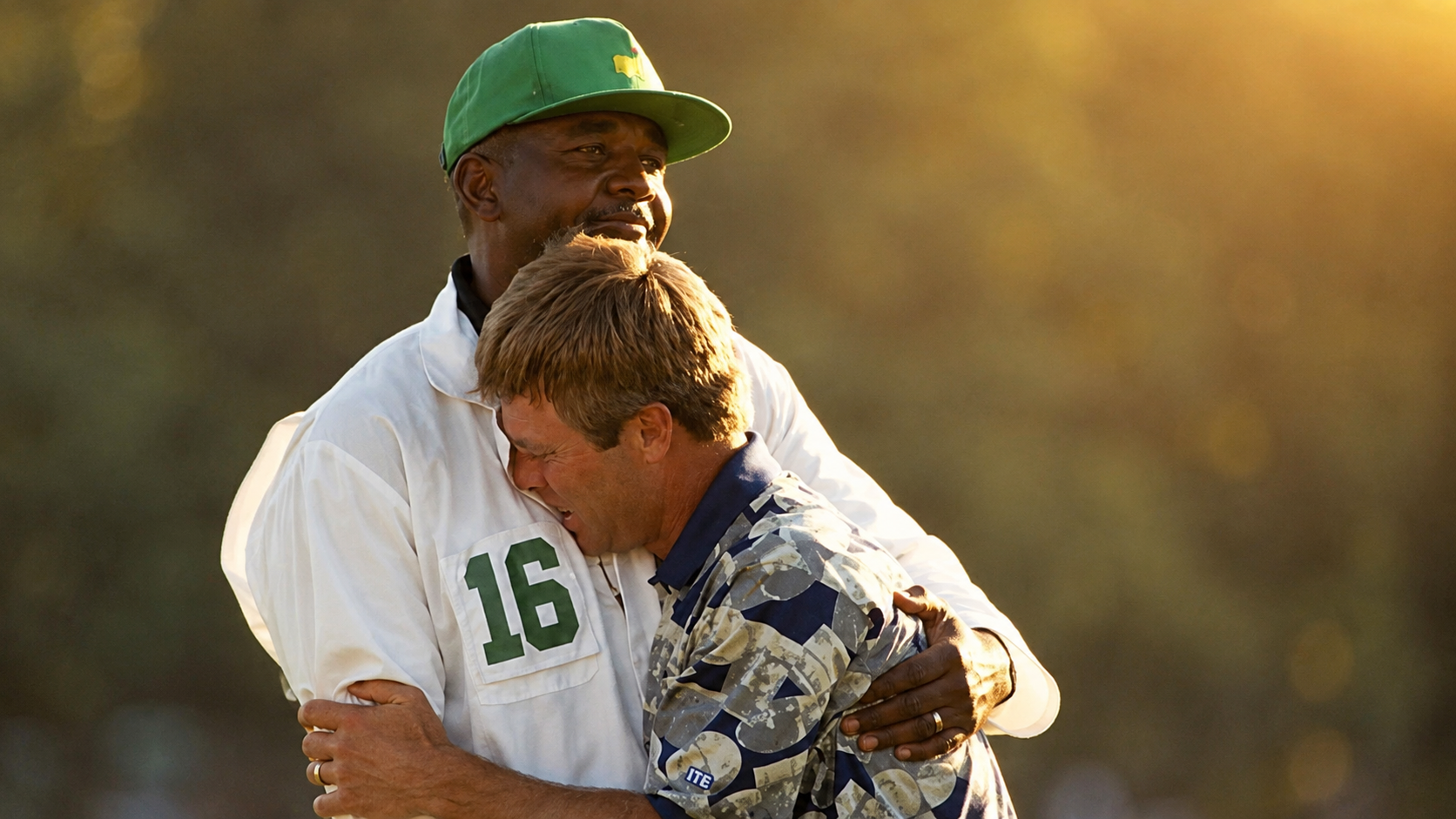
Later, Crenshaw reflected on the victory with words that still resonate throughout the golfing world:
"I had a 15th club in my bag."
He was referring, of course, to Harvey Penick.
It's a reminder that great teachers leave behind far more than swing tips. They instill confidence, perspective, and belief—qualities that stay with golfers long after the lesson ends.
That's the kind of influence Harvey Penick had on Ben Crenshaw. It's also the kind of quiet confidence we strive to instill in every golfer who carries a CaddyTips Playing Guide onto the first tee.
More Than a Golf Book
As someone who has spent years around caddies, Little Red Book has always felt familiar.
Great caddies don't overwhelm players.
They simplify.
They settle nerves.
They offer one clear thought before an important shot.
That's exactly how Harvey Penick taught the game.
It's also the standard we strive for every time we create a CaddyTips Playing Guide.
Our goal has never been to fill pages with information.
Our goal is to give golfers the right advice at the right time, inspire confidence, and help them make better decisions on the golf course.
That's the Harvey Penick way.
Final Thoughts
Golf equipment changes.
Golf balls change.
Swing theories come and go.
But confidence, patience, course management, and clear thinking never go out of style.
That's why Harvey Penick's Little Red Book remains my favorite golf book of all time.
If you've never read it, I can't recommend it highly enough.
And if you already own a copy, read it again.
I think you'll discover a lesson that speaks to you differently every single time.