
The Ultimate Inclement Weather Golf Trip Packing List
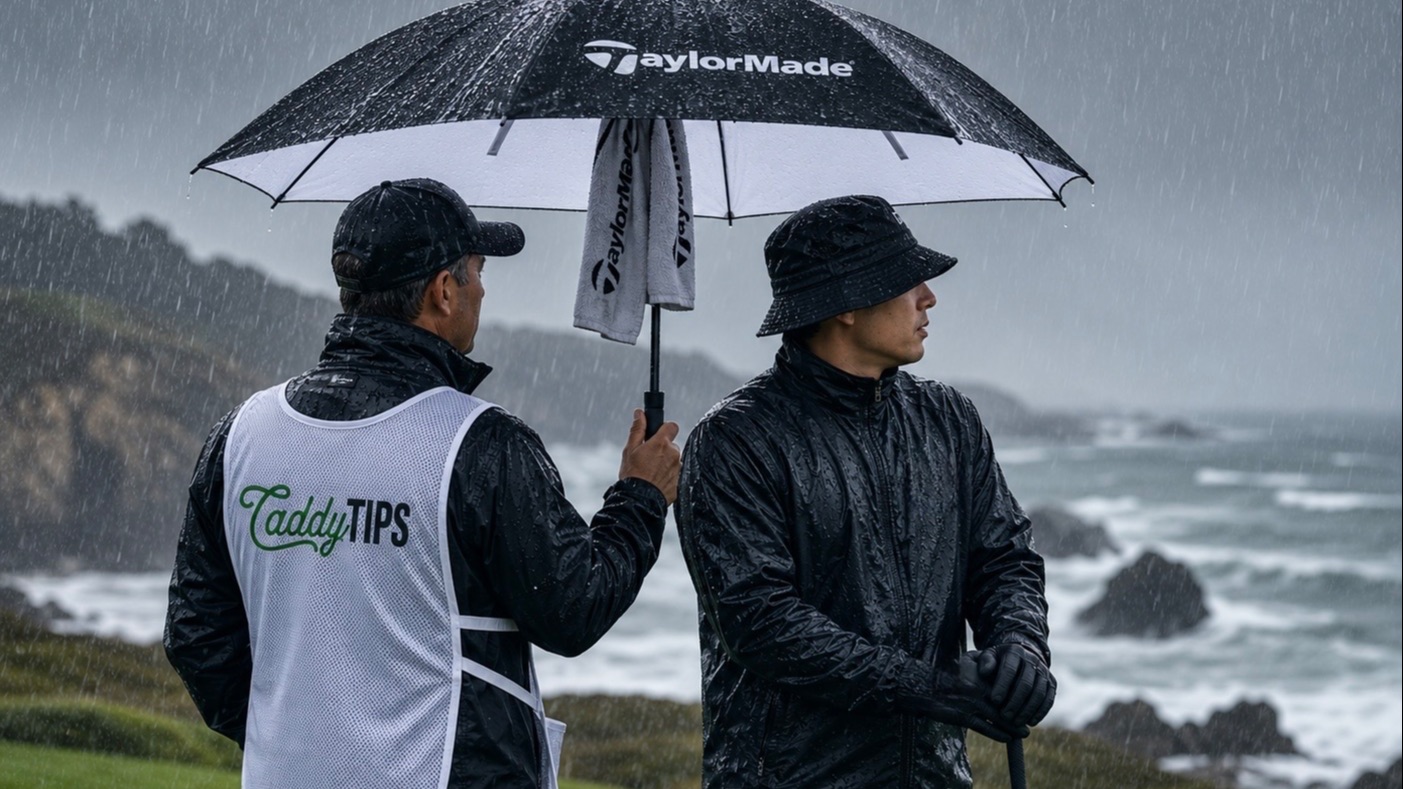
A great golf trip can turn into survival golf fast.
One minute you’re standing on the first tee at Bandon Dunes, Pebble Beach, Pinehurst, Bethpage Black, Streamsong, or another bucket-list golf destination feeling like the luckiest golfer alive. The next minute the wind is sideways, the rain is coming in sheets, your grips are slick, your socks are soaked, and your “once-in-a-lifetime” round has become a four-hour battle against the elements.
That is why every serious golf trip should start with one simple question:
What happens if the weather turns?
Because it probably will.
Coastal golf, links golf, mountain golf, and championship public golf all have one thing in common: conditions change. Rain, wind, cold mornings, marine layer, soft turf, wet grips, plugged lies, slower greens, and long walks can all become part of the experience. Being prepared does not guarantee great weather, but it absolutely gives you a better chance to enjoy the round and shoot a respectable score.
This CaddyTips packing checklist is built for golfers who want to be ready when the forecast gets ugly.
The Non-Negotiable Weather Golf Packing List
1. Waterproof Rain Jacket
Do not bring a “water-resistant” jacket and think you are covered.
For serious golf trips, you need a real waterproof golf rain jacket that allows you to swing. Look for something lightweight, quiet, breathable, and designed for movement. A bulky jacket may keep you dry, but if you cannot make a full turn, it will cost you strokes.
CaddyTips recommendation: Pack one premium rain jacket and one backup light shell if you are playing multiple rounds.
2. Waterproof Rain Pants
Most golfers remember the jacket and forget the pants.
Big mistake.
Wet legs make a long walking round miserable, especially in wind. Rain pants also help keep your base layers dry, protect you when sitting in a cart, and make it easier to stay warm between shots.
Packing tip: Try them on over your golf pants before the trip. Make sure you can squat, walk, and swing without feeling restricted.
3. Multiple Pairs of Golf Shoes
One pair is not enough for a true weather golf trip.
If you play 36 holes in wet conditions, your shoes may not dry overnight. A second pair can save your feet, your traction, and your mood. For destinations like Bandon Dunes, Pebble Beach, Pinehurst, Bethpage, Scotland, Ireland, or Oregon coastal golf, multiple shoes are not a luxury. They are essential.
Ideal setup:
- One fully waterproof spiked pair
- One comfortable walking pair
- One backup pair in case the first pair gets soaked
4. Extra Socks — More Than You Think
Dry socks can change your entire day.
Pack more socks than you think you need. Then add two more pairs. Wet socks create blisters, cold feet, bad footwork, and a bad attitude.
CaddyTips rule: For every round, pack at least one fresh pair for the course and one dry pair for after the round.
5. Golf Rain Gloves
Rain gloves are one of the most underrated pieces of bad-weather golf equipment.
Unlike regular leather gloves, rain gloves are designed to grip better when wet. Many golfers wear them on both hands in heavy rain. If you have ever had a club slip during a rainy round, you already know why these matter.
Pack at least two pairs. One pair can get soaked, muddy, or stretched out during a long round.
6. Weatherproof Bucket Hat
A good rain hat is worth its weight in gold.
A waterproof bucket hat keeps rain off your face, down your neck, and out of your eyes. Baseball caps are fine for light mist, but in steady rain, a proper bucket hat performs better.
Best features:
- Waterproof material
- Full brim
- Comfortable fit
- Packable shape
- Dark underside to reduce glare
7. Lots of Golf Towels
You cannot have too many towels in bad weather.
Bring several. Keep one clipped to the bag, one under the umbrella, one sealed in a plastic bag, and one reserved only for grips and hands. A wet towel is almost useless, so the key is not just having towels, but keeping at least one dry.
CaddyTips towel system:
- One towel for clubs
- One towel for golf balls
- One towel for hands and grips
- One emergency dry towel sealed in a plastic bag
8. Golf Bag Rain Hood
Most golfers own a rain hood. Many have no idea where it is.
Find it before the trip.
A rain hood protects your grips, shafts, headcovers, rangefinder, gloves, scorecard, and valuables. In heavy rain, keeping your bag organized and protected becomes a major advantage.
9. Waterproof Pouch or Zip Bags
Wet scorecards, wet phones, wet wallets, and wet gloves are all avoidable.
Pack a few zip bags or waterproof pouches. Use them for:
- Phone
- Wallet
- Cash
- Extra gloves
- Dry towel
- Scorecard
- Yardage book
- CaddyTips course guide
This is a small detail that can save your round.
10. Layering Pieces
Bad-weather golf is not just about rain. It is about temperature swings.
You may start in cold mist, play through wind, get hit with rain, then finish in sunshine. Layers allow you to adjust without overheating or freezing.
Pack:
- Lightweight base layer
- Quarter-zip pullover
- Vest
- Rain shell
- Warm beanie or winter hat
- Light neck gaiter if the destination is cold or windy
11. Extra Golf Gloves
Even if the forecast looks good, pack extra gloves.
Humidity, sweat, rain, and wet grips can ruin a standard glove quickly. Keep extra gloves in sealed bags so they stay dry until needed.
12. Umbrella
A sturdy golf umbrella is helpful, especially for keeping your bag, gloves, towel, and scorecard dry.
That said, in extreme wind, umbrellas can become useless or even annoying. On walking-heavy coastal courses, your caddy may tell you when to use it and when to put it away.
13. Sunscreen and Lip Balm
Bad-weather trips still produce sunburn.
Wind, clouds, and coastal glare can fool you. Pack sunscreen and lip balm, especially for Bandon, Pebble Beach, Pinehurst, Arizona desert golf, Florida golf, and any exposed coastal course.
14. Extra Golf Balls
Wet, windy golf eats golf balls.
Soft turf, heavy rough, plugged lies, blind shots, and wind can turn a normal round into a ball-hunting mission. Bring more than your usual number.
15. Sharpie, Ball Markers, Divot Tool, Tees
Before every golf trip, dump out your bag and reload the basics.
Do not be the golfer buying tees, gloves, sunscreen, and ball markers five minutes before the tee time. Bad weather already creates enough chaos.
Advanced Bad-Weather Golf Trip Items
Portable Shoe Dryer or Newspaper
If you are playing multiple rounds, drying your shoes matters. A portable shoe dryer is ideal. If not, old-school newspaper stuffed into the shoes can help pull moisture out overnight.
Extra Headcovers
Wet headcovers can stay wet all day. Consider using older headcovers for bad weather or removing them during the round if conditions are extreme.
Hand Warmers
For cold rain or windy mornings, hand warmers can be a game-changer. Cold hands lose feel. Lost feel leads to bad shots.
Small First-Aid Kit
Wet walking rounds can create blisters fast. Pack:
- Bandages
- Athletic tape
- Blister pads
- Pain reliever
- Anti-chafe balm
Casual Dry Clothes for After the Round
After four hours in rain gear, dry clothes feel like luxury.
Pack a full post-round reset:
- Dry socks
- Dry shoes
- Dry shirt
- Comfortable pants
- Light jacket
Weather Changes Strategy, Not Just Comfort
Packing well is not only about staying dry. It is about scoring.
Rain and wind change how the course plays. Wet fairways reduce rollout. Wet rough grabs the club. Wet greens may be slower. Wind affects start lines, trajectory, club selection, and commitment. Cold air can reduce carry distance. Soft sand plays differently than dry sand.
That is why bad-weather golf requires more than toughness. It requires a plan.
Before the round, check:
- Hourly forecast
- Wind direction
- Wind speed and gusts
- Temperature changes
- Rain timing
- Course drainage reputation
- Walking difficulty
- Caddy availability
Then build your round around the conditions.
The Most Important Piece of Equipment Once You Arrive: A Local Caddy
Once you arrive at your destination, one of the most valuable decisions you can make is hiring a local caddy.
CaddyTips always recommends taking a local caddy when available.
Our course tips are extremely effective for preparing before your round and referencing during your round, but nothing can fully replace the experience of a local caddy who walks that course every day. A great local caddy knows where the wind swirls, which holes play longer than the card, where the miss actually is, how the greens drain, and how the course changes when the weather turns.
In bad weather, that knowledge becomes even more valuable.
A local caddy can help you:
- Choose smarter targets
- Adjust for wind
- Understand wet turf conditions
- Pick conservative lines
- Avoid big numbers
- Manage pace and equipment
- Keep your grips, towel, and clubs organized
- Stay patient when the round gets difficult
On a bucket-list trip, a caddy does more than carry the bag. A great caddy protects the experience.
Quick Printable Packing Checklist
Rain Gear
- Waterproof rain jacket
- Waterproof rain pants
- Waterproof bucket hat
- Backup shell
- Umbrella
Footwear
- Waterproof golf shoes
- Backup golf shoes
- Extra socks
- Post-round dry shoes
Gloves and Towels
- Rain gloves
- Extra regular gloves
- Multiple golf towels
- Dry towel in sealed bag
Bag Protection
- Golf bag rain hood
- Waterproof pouch
- Zip bags
- Extra headcovers if needed
Clothing
- Base layer
- Quarter-zip
- Vest
- Warm hat
- Neck gaiter
- Post-round dry clothes
Golf Essentials
- Extra golf balls
- Tees
- Ball markers
- Divot tool
- Sharpie
- Rangefinder or GPS
- CaddyTips course guide
Comfort and Recovery
- Sunscreen
- Lip balm
- Hand warmers
- Blister pads
- Pain reliever
- Portable shoe dryer or newspaper
Final Thought
The golfers who enjoy bad-weather golf are not always tougher. They are usually better prepared.
If you are planning a trip to Bandon Dunes, Pebble Beach, Pinehurst, Bethpage Black, Streamsong, Scotland, Ireland, or any serious golf destination, do not pack for perfect weather. Pack for the round you might actually get.
Rain, wind, cold, and soft conditions are part of the adventure. With the right gear, the right mindset, and the right local caddy, those conditions can become part of the story instead of the reason the trip fell apart.
Make sure to get more travel tips on coastal golf courses for more information.