

DESERT GOLF COURSE TIPS: PLAY BETTER IN HOT & DRY CONDITIONS
Beat the heat and unlock the secrets of desert golf
Most golfers arrive in the desert expecting perfect weather and pristine conditions. What they don't realize is how dramatically elevation, dry air, firm turf, desert winds, and fast, grainy greens can influence every shot. The same yardages and strategies you rely on at home may produce completely different results in the desert.
Built from decades of professional caddy experience, this complimentary guide reveals the hidden factors that affect scoring in desert golf. Learn how to adjust your distances, manage firm conditions, read desert greens, and make smarter decisions before your next round.
Get Your Free Desert Course Tips✅ Complimentary resource from CaddyTips®
✅ Instant PDF download
✅ Desert Golf Strategy Guide
✅ Elevation & Yardage Adjustments
✅ Dry Air Distance Tips
✅ Firm Fairway Playbook
✅ Desert Wind Strategies
✅ Fast Green Reading Techniques
✅ Desert Bunker Play Tips
✅ Heat & Hydration Best Practices
Download Desert Golf Course Tips

Built By Experienced Professional Caddies
Decades of caddying at premier desert golf destinations have been distilled into practical strategies that help golfers understand how elevation, dry air, firm turf, heat, and desert course architecture influence every shot.
The Hidden Variables
A close look at patterns in elevation, weather, turf conditions, green complexes, and scoring trends to uncover the hidden variables influencing performance on desert golf courses.
Here is a snippet from the Golf Travel Guide: Desert Golf Course Tips CaddyTips®
Heat
Hot/Dry air = longer ball
The dominant condition on desert courses is heat. Most of Southern California's desert golf destinations sit near sea level, so elevation isn't a factor - but temperature can definitely affect your game. Summer days in The Coachella Valley desert (Palm Springs/Palm Desert/La Quinta/Indio) routinely hit 100 to 110 degrees Fahrenheit in May-June; even winter averages run around 70-80 degrees and dry. Arizona is the same way, elevation not a factor (not including the high desert up north), but the Sonoran Desert in Scottsdale, Phoenix, and Tucson heats up year-round, similarly to Palm Desert. Las Vegas is in the Mojave Desert, and while it experiences dry heat from May through September, the elevation is above 2,000 feet, which will also result in the golf ball carrying longer distances.
Warm air is less dense than cool air, which means less drag on the ball in flight. The rule of thumb: about 1 yard of additional carry for every 5-degree rise above your home baseline. Coming from a 70-degree home course and playing a 100-degree desert round? Expect roughly a half-club (6 yards) more on every full swing. This effect stacks with the rollout you'll get on firm, dry fairways (see next tactic). Net result: the course plays significantly shorter than the yardage on the card.
Desert golf can be physically and mentally demanding, even for experienced players. High temperatures, low humidity, and constant sun exposure accelerate dehydration, which can lead to fatigue, poor decision-making, reduced concentration, and inconsistent swings. By the back nine, even mild dehydration can begin costing you strokes. CaddyTips® recommends preparing for desert conditions before you ever step onto the first tee. Apply sunscreen before your round and reapply as needed, wear sun sleeves for additional protection, and bring your own insulated drinkware filled with water. Adding hydration tablets can help replace electrolytes lost through sweat and keep both your body and mind performing at their best. In the desert, smart hydration isn't just about comfort—it's a scoring strategy.
Build Your CaddyTips® Library
Every CaddyTips® guide you purchase is added to your personal library for easy access anytime. View your collection through any web browser or the free CaddyTips® app for Apple and Google devices.
Get Your Desert Golf Tips Guide
Explore More CaddyTips®

Golf Travel Guide: Coastal Golf Course Tips
Master the unique challenges of oceanfront golf with this CaddyTips® coastal course guide. Learn how wind, humidity, soft fairways, temperature, and sea-level conditions affect carry distance, rollout, and shot strategy on some of the world’s most scenic and demanding golf courses.
Free

CaddyTips® Golf Travel Facts
Improve your golf IQ with this CaddyTips® guide to the hidden factors that affect ball flight and scoring. Learn how elevation, temperature, humidity, grass types, grain, and bunker sand influence distance, spin, rollout, and shot strategy on courses around the world.
Free
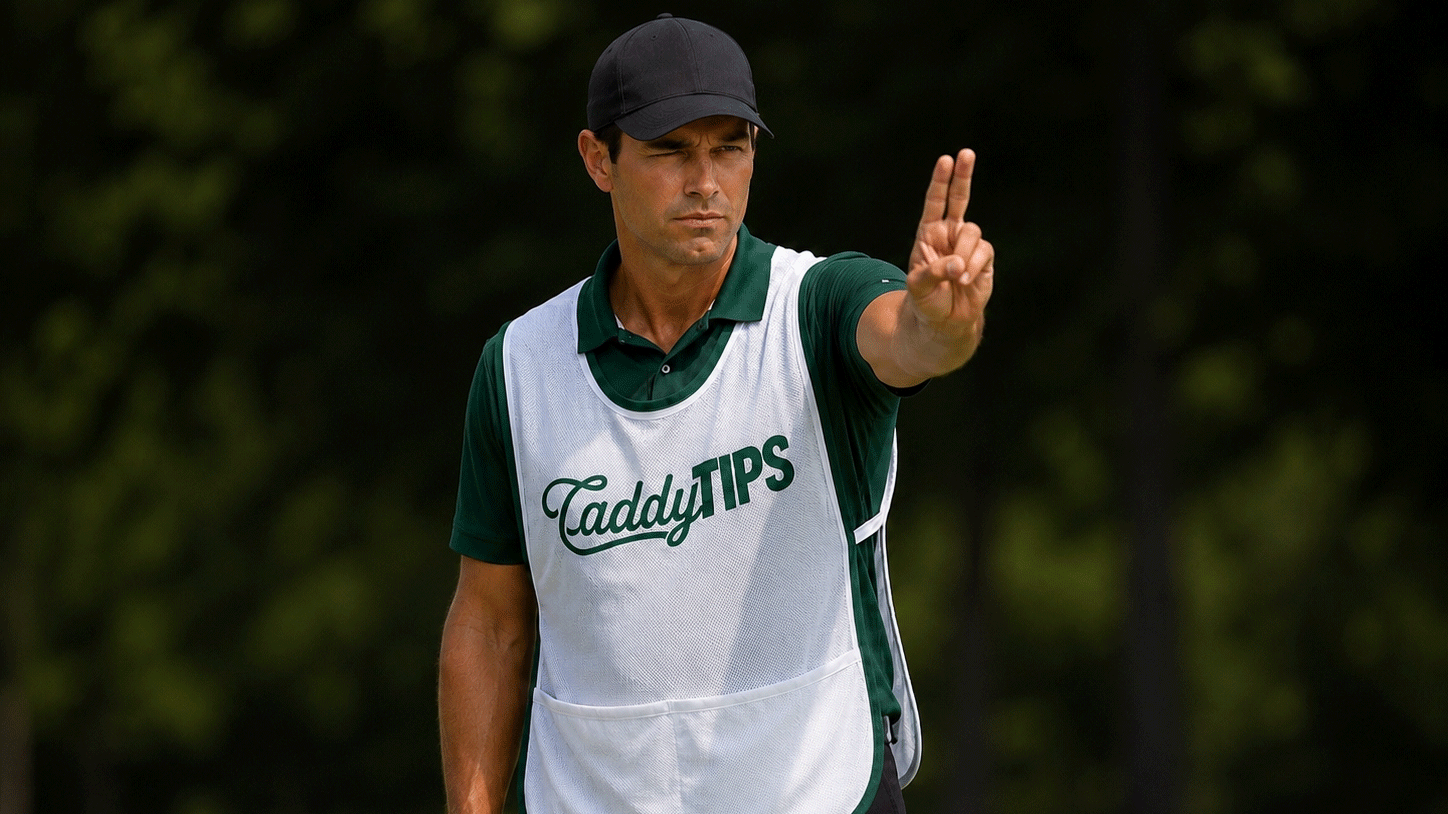
How To Read Greens - Free Putting Tips
Improve your putting with this detailed CaddyTips® guide to reading greens. Learn how to judge slope, grain, speed, undulation, and double-breaking putts using proven techniques and insights from top players and experienced caddies.